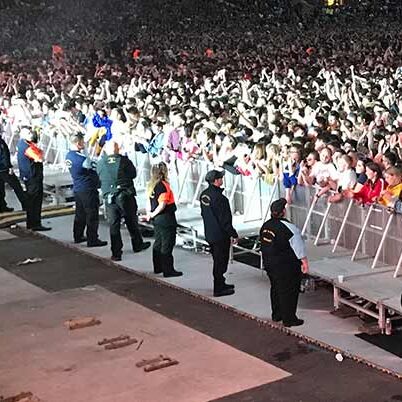
Crowd control is a critical aspect of emergency management, focusing on the safe and orderly movement of people during emergencies. Effective crowd control can prevent injuries, fatalities, and chaos, ensuring that emergency response efforts are not hindered. This blog post delves into the importance of crowd control, strategies for managing crowds, and presents two case studies that highlight its significance.
Understanding Crowd Control
Crowd control involves managing large groups of people to prevent overcrowding, ensure safety, and facilitate orderly movement. This can be crucial during emergencies such as fires, natural disasters, or public events where panic and confusion can lead to dangerous situations. Key components of crowd control include:
- Pre-Event Planning: Conducting risk assessments and developing comprehensive security plans.
- Communication: Establishing clear communication channels among security personnel and with the public.
- Training and Coordination: Ensuring that staff are trained in crowd control techniques and emergency response.
- Access Control: Managing entry and exit points to prevent bottlenecks.
- Barrier Systems: Using physical barriers to guide crowd movement and prevent overcrowding.
- Emergency Preparedness: Developing and communicating emergency response plans and conducting regular drills.
Case Studies
1. Travis Scott Concert Tragedy
In November 2021, a crowd surge at the Travis Scott concert in Houston, Texas, resulted in ten deaths and over 300 injuries. The incident occurred as the crowd of approximately 50,000 people surged towards the stage, causing a deadly crush. This tragedy highlighted several critical failures in crowd control:
- Lack of Adequate Crowd Management: There were insufficient crowd managers to handle the large number of attendees.
- Poor Communication: Attendees were not adequately informed about emergency exits and procedures.
- Inadequate Emergency Response: The response to the surge was slow, and emergency personnel struggled to reach those in need due to the dense crowd.
This case underscores the importance of having a well-trained crowd management team and clear communication strategies to prevent such disasters[2].
2. Beverly Hills Supper Club Fire
In 1977, a fire at the Beverly Hills Supper Club in Southgate, Kentucky, resulted in 165 deaths. The fire spread rapidly through the building, and the lack of a proper evacuation plan exacerbated the situation. Key issues included:
- Overcrowding: The venue was filled beyond its safe capacity, making evacuation difficult.
- Poorly Marked Exits: Many exits were not clearly marked, leading to confusion and delays in evacuation.
- Lack of Information: Patrons were not promptly informed about the fire, leading to panic and chaos.
Despite these challenges, many patrons displayed remarkable solidarity, helping each other to evacuate. This incident highlights the need for clear exit routes, proper signage, and timely information to ensure safe evacuations[6].
Strategies for Effective Crowd Control
To prevent tragedies like those mentioned above, it is essential to implement effective crowd control strategies:
- Occupant Load Management: Ensure that the number of people in a venue does not exceed its safe capacity.
- Life Safety Evaluations: Conduct evaluations to assess crowd behavior and identify potential hazards.
- Visible Security Presence: Deploy security personnel strategically to monitor and manage the crowd.
- Advanced Monitoring Technologies: Use surveillance cameras and crowd monitoring systems to detect and address issues early.
- Emergency Drills: Regularly conduct drills to ensure that staff and attendees are familiar with emergency procedures.
Additional Resources
For those interested in learning more about crowd control and emergency management, the following resources are invaluable:
- National Fire Protection Association (NFPA): Offers guidelines and codes for life safety and crowd management.
- International Association of Fire Chiefs (IAFC): Provides training programs and resources for crowd managers.
- Crowd Safety: Offers case studies and tailored crowd management solutions for various events.
- Social Tables: Provides practical tips for venue managers on crowd control and safety.
Effective crowd control is essential for ensuring the safety and well-being of individuals during emergencies. By learning from past incidents and implementing robust crowd management strategies, we can prevent future tragedies and ensure that public events are safe and enjoyable for all.
Citations:
[1] https://students.umw.edu/safety/crowd-management/
[2] https://www.industrialfireworld.com/623475/revisiting-crowd-control
[3] https://investigativeacademy.com/11-crowd-control-tips-for-security-professionals/
[4] https://www.crowdsafety.org/case-studies/
[5] https://www.grsprotection.com/5-advances-crowd-control-techniques-for-large-scale-events/
[6] https://www.scientificamerican.com/article/crowd-control/
[7] https://www.iafc.org/topics-and-tools/resources/resource/crowd-manager-training
[8] https://www.socialtables.com/blog/event-venues/crowd-control-tips/
[9] https://www.soncocrowdcontrol.com/blog/crowd-control-crowd-management
[10] https://www.theiacp.org/news/blog-post/crowd-management-and-civil-demonstrations-resources
Based on the search results and analysis, some common challenges faced during crowd control and their mitigation strategies include:
- Overcrowding and congestion:
- Mitigation: Implement reserved seating systems, use barrier systems to guide crowd flow, and conduct thorough venue capacity assessments.
- Example: Using a ticketing platform like Yapsody to manage seat allocations and prevent overcrowding in specific areas[4].
- Communication breakdowns:
- Mitigation: Establish clear communication channels among staff and with attendees, use public address systems, signage, and digital tools.
- Example: Deploying digital promotional signage to disseminate public information and influence behavior in dangerous situations[1].
- Security threats and emergencies:
- Mitigation: Develop comprehensive emergency response plans, train staff in crisis management, and establish first aid stations.
- Example: Conducting regular drills to ensure security personnel are familiar with emergency protocols[5].
- Unruly behavior and conflicts:
- Mitigation: Train security personnel in de-escalation techniques, maintain a visible security presence, and use crowd monitoring technologies.
- Example: Employing behavioral analysis techniques to identify potential threats within a crowd[3].
- Access control issues:
- Mitigation: Implement effective ticketing systems, ID checks, and strategically position security personnel at entry points.
- Example: Using RFID wristbands or biometric scanning for streamlined entry processes[3].
- Lack of preparedness for diverse scenarios:
- Mitigation: Conduct thorough risk assessments, develop contingency plans, and use crowd prediction techniques.
- Example: Utilizing the DIM-ICE (Design, Information, Management-Ingress, Circulation, Egress) model for strategic planning and identifying potential crowd safety issues[1].
- Ineffective crowd flow management:
- Mitigation: Design optimal venue layouts, use clear signage, and employ crowd monitoring technologies.
- Example: Utilizing surveillance cameras and crowd monitoring systems to track crowd movements and address potential issues promptly[8].
- Post-event analysis and improvement:
- Mitigation: Conduct thorough post-event reviews, gather feedback from stakeholders, and implement lessons learned.
- Example: Analyzing surveillance footage and incident reports to refine crowd control strategies for future events[3].
By implementing these mitigation strategies, event organizers can significantly improve crowd control efforts and ensure safer, more enjoyable experiences for attendees. It’s crucial to approach crowd management as an ongoing process of planning, execution, and continuous improvement.
Citations:
[1] https://typeset.io/questions/what-are-some-of-the-specific-challenges-associated-with-33189lj1y7
[2] https://www.cvent.com/en/blog/events/crowd-management-events
[3] https://www.grsprotection.com/5-advances-crowd-control-techniques-for-large-scale-events/
[4] https://www.yapsody.com/ticketing/blog/best-event-crowd-management-and-control-techniques/
[5] https://investigativeacademy.com/11-crowd-control-tips-for-security-professionals/
[6] https://www.socialtables.com/blog/event-venues/crowd-control-tips/
[7] https://www.sciencedirect.com/science/article/pii/S0925753523002345
[8] https://eventespresso.com/2024/01/crowd-management/
[9] https://www.hytix.com/effective-crowd-management-tips/
Technology plays a crucial role in enhancing crowd safety through several key applications:
- Real-time monitoring and analytics:
- Advanced surveillance systems using AI and machine learning can detect anomalies, potential threats, and crowd density in real-time[1][5].
- This allows security personnel to respond quickly to emerging situations before they escalate.
- Improved access control and crowd flow management:
- RFID and biometric systems enable more efficient and secure entry/exit processes[7].
- Digital signage and wayfinding solutions help direct crowd movement and reduce congestion[4].
- Data-driven decision making:
- AI-powered platforms can analyze data from multiple sources (CCTV, social media, environmental sensors) to provide insights on crowd behavior and mood[6].
- This enables proactive measures to be taken, such as deploying additional staff or adjusting crowd flow.
- Enhanced communication and emergency response:
- Digital signage and mobile apps can quickly disseminate critical information and emergency instructions to large crowds[4].
- Integration with emergency systems allows for rapid coordination of response efforts.
- Occupancy monitoring and capacity management:
- IoT sensors and AI can track real-time occupancy levels, helping prevent overcrowding[4].
- This data can be displayed on digital screens to inform visitors and help them make decisions.
- Predictive analytics:
- Machine learning algorithms can analyze historical data to predict crowd behavior and potential issues for future events[5].
- This allows for better planning and resource allocation.
- Contactless technologies:
- RFID wristbands and mobile ticketing reduce physical contact points, enhancing both efficiency and hygiene[7].
- Automated threat detection:
- AI-powered video analytics can identify suspicious behavior or objects, alerting security personnel to potential risks[1][5].
By leveraging these technological solutions, event organizers and security teams can significantly improve their ability to manage large crowds safely and efficiently. However, it’s important to note that while technology is a powerful tool, it should complement rather than replace human expertise and judgment in crowd management strategies.
Citations:
[1] https://www.gensecurity.com/blog/crowd-management-technologies-security-risks
[2] https://www.gov.uk/government/news/crowd-watch-dasa-funded-ai-and-lidar-innovation-helps-enhance-crowd-safety
[3] https://www.crowdcontrolstore.com/learning-center/the-future-of-crowd-control-barriers-technological-advancements-and-innovations/
[4] https://www.omnivex.com/solutions/applications/crowd-control
[5] https://www.icorpsecurity.com.au/benefits-of-crowd-detection-system/
[6] https://www.digital.nsw.gov.au/article/enhancing-crowd-safety-using-ai-technology-taylors-version
[7] https://intellitix.com/hub/how-to-create-safer-events-with-crowd-management/